

A usable metal detector costs anywhere from about $30 to well over $2,000. The price depends on what you want to find and where you plan to hunt. A toy-grade kids' model for the backyard is a different buy from a saltwater machine built to hunt a public beach after a storm. Most people who stay with the hobby spend between $300 and $700 on their first real detector.
Below is what you get at each price tier, what a full starter kit costs once you add the accessories, and which features are worth paying for.
Table of Contents
How much do metal detectors cost? The short answer
Here is the full range at a glance.
| Price range | What you're buying | Example | Best for |
|---|---|---|---|
| Under $75 | Toy-grade, tone-only, no real discrimination | Bounty Hunter Junior | Kids, backyard play |
| $150 to $300 | True entry-level VLF with target ID | Nokta Simplex Ultra | First real detector |
| $300 to $550 | Better discrimination, waterproof coil | Garrett ACE 400 | Serious hobbyists on land |
| $550 to $800 | Multi-frequency, pro-level separation | Minelab Equinox 700 | All-around land and wet sand |
| $1,000+ | Specialist saltwater or submersible builds | Fisher CZ-21 Quicksilver | Surf and scuba detecting |
Under $75: toy-grade kids detectors
Below about $75, you're buying a toy, not a tool. These detectors beep when they pass over any metal and don't discriminate between a bottle cap and a coin, so every signal means digging. That's fine for a 6-year-old in the backyard and frustrating for anyone who wants to find something real.
The Bounty Hunter Junior is the standard pick in this tier, about $35, light enough for small hands, with one knob and no settings to fumble. If the goal is a real hobby rather than an afternoon of noise, skip this tier entirely and go straight to the next one, even for a kid old enough to follow instructions. Our kids metal detector guide covers real starter machines sized for children.
$150 to $300: your first real detector
At this price, you start paying for real function. You get a target ID number that gives you a rough idea of what's under the coil before you dig, adjustable discrimination (a setting that filters out unwanted metals) to ignore iron. You usually also get a waterproof coil (not a waterproof control box, just the coil) for wading in shallow water.
Once you move past toys, this tier is the real starting point. For specific picks beyond price, see our guide to the best metal detector for beginners. The Nokta Simplex Ultra, about $299, is widely recommended in this range: single frequency, accurate target ID, a carbon fiber shaft that keeps the weight down, and a fully waterproof build rated to 16 feet. The Garrett ACE 300 sits a little lower in this tier and is a reasonable dry-land-only alternative if the Simplex Ultra is out of budget.
$300 to $550: better discrimination and a waterproof coil
Spend in the $300 to $550 range, and the detector starts separating targets more precisely instead of just guessing in a range. Iron discrimination gets sharper, so you dig fewer bottle caps and pull tabs, and most machines in this range add multiple search modes tuned for coins, relics, or jewelry.
The Garrett ACE 400, about $358, is the clearest example: a dry-sand and park-detecting machine with digital target ID, adjustable frequency to cut down interference, and a coil that handles light rain or wading without issue. Most people who start with a $200 machine upgrade to this tier.
$550 to $800: multi-frequency all-rounders
Multi-frequency technology shows up in this tier, and it's a real upgrade. A single-frequency detector is tuned to perform best at one depth and soil condition. A multi-frequency machine runs several frequencies at once and lets you pick what the ground needs. That matters most in mineralized (full of natural minerals that can confuse a detector) soil, at the beach, or when hunting a site with mixed trash and targets.
The Garrett AT Max, about $550, and the Minelab Equinox 700, about $749, both sit here. The AT Max is fully waterproof to 10 feet and built for someone who wants one machine that does land, wet sand, and shallow wading well. The Equinox 700 trades a little simplicity for better target separation in ground with a lot of trash, using Minelab's Multi-IQ system to run multiple frequencies simultaneously rather than switching between them.
$1,000 and up: specialist and saltwater gear
Past $1,000, you're no longer paying for a better all-around detector. You're paying for a machine built to solve one specific hard problem: hunting a wet saltwater beach where mineralization wrecks cheaper detectors, or going fully submersible for scuba recovery work. Casual hobbyists rarely need to spend this much.
The Fisher CZ-21 Quicksilver, about $1,300, runs dual frequency with automatic saltwater ground compensation built specifically for surf detecting. The Minelab Excalibur II, about $1,699, is rated to 200 feet and built for full submersion, the kind of machine a scuba-certified recovery detectorist (a person who hunts with a metal detector) buys, not a weekend beachcomber.
What a full starter kit costs
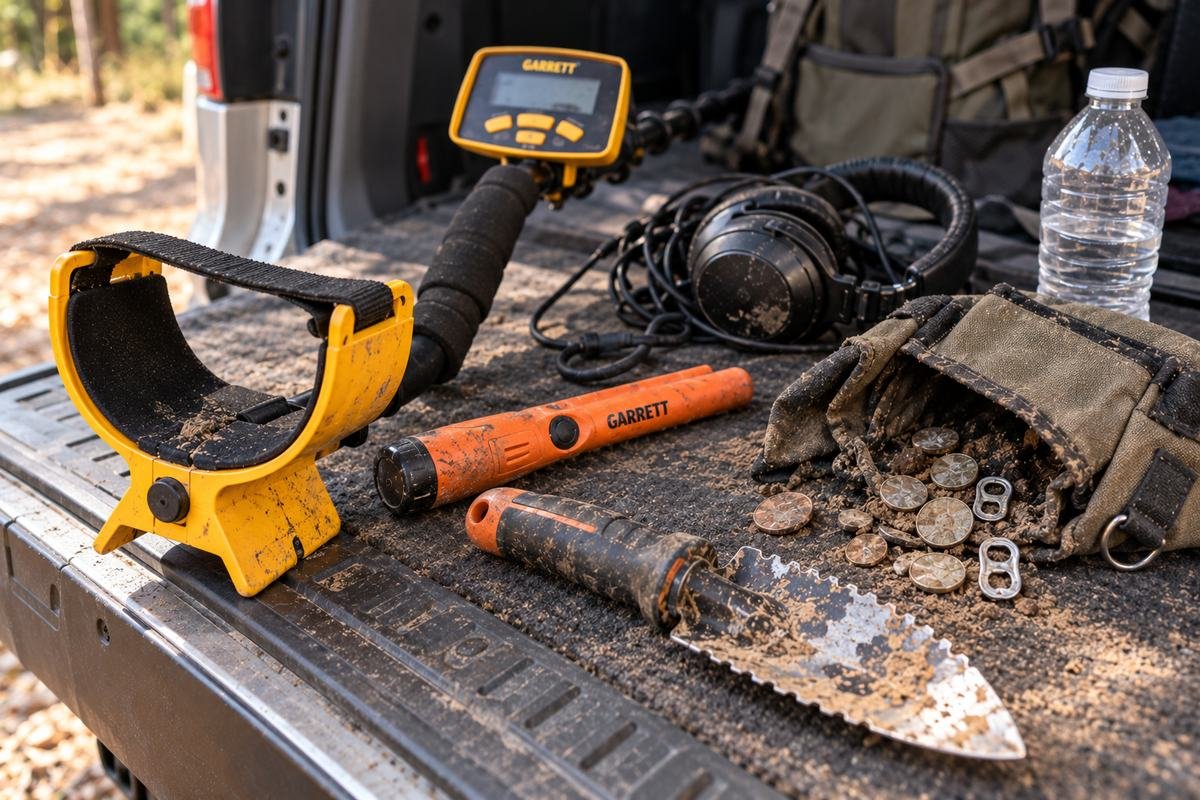
The detector itself is only part of what you'll spend. A pinpointer (a small handheld probe for finding a target in the dug hole), digging tool, headphones, and a finds pouch add real cost on top of the detector, and skipping them makes every hunt slower.
| Item | Why you need it | Typical cost |
|---|---|---|
| Metal detector | The core tool. See the tiers above | $150 to $800 for most hobbyists |
| Pinpointer | Finds the exact target inside your dig hole instead of digging blind | About $40 to $80 |
| Digging tool | A serrated hand trowel or digger for turf and soil | About $20 to $40 |
| Headphones | Hear faint signals clearly and cut outdoor wind noise | About $20 to $60, more for wireless |
| Finds pouch | Keeps targets and trash separated instead of in your pockets | About $15 to $25 |
Add it up and a complete budget setup around a $300 detector lands close to $400 to $450 total, while a complete kit built around a $550 to $750 multi-frequency machine runs closer to $650 to $900. That full-kit number is the realistic one to budget against, not just the price tag on the detector box. Buying used is another way to stretch a budget, and our guide to used metal detectors covers what to check first.
What drives metal detector prices up
A handful of real technical differences explain most of the jump from a $200 machine to a $1,000 one, and they're why two machines that look similar on a shelf can be so far apart in price.
- Frequency type. Single-frequency VLF (very low frequency) detectors are cheaper and work fine in mild soil. Multi-frequency machines cost more but handle mineralized ground and saltwater far better.
- Target separation. Cheaper detectors struggle when two targets sit close together underground. Pricier machines resolve them as separate signals instead of one confused tone.
- Depth and sensitivity. More expensive coils and circuitry pull out fainter, deeper signals that budget machines simply miss.
- Waterproofing. A waterproof coil costs little extra. A fully submersible control box, built to handle real water pressure, costs a lot more.
- Ground balance (tuning the detector to ignore minerals in the soil). Automatic ground balance that adjusts in real time as soil conditions change costs more and saves you from adjusting it by hand all day.
- Build and support. Carbon fiber shafts, better warranties, and established repair networks all add cost that doesn't show up as a spec on paper.
Not sure you will stay with the hobby? See whether you can rent a metal detector first, and when buying works out cheaper.
Frequently asked questions
How much do metal detectors cost for a beginner?
For a first real detector, plan on $150 to $300. That's enough to get a true target ID and adjustable discrimination without spending money on features a beginner can't use yet.
Are cheap metal detectors under $100 worth buying?
Only as toys for kids. Detectors under about $75 don't discriminate between trash and real targets, so every signal means digging, which gets old quickly for anyone serious about the hobby.
Why do some metal detectors cost over $1,000?
Detectors over $1,000 are built to solve specific hard problems, mainly saltwater beach hunting or full submersion for scuba recovery work, not to be a better all-around detector for casual hobbyists.
Do you need an expensive detector to make good finds?
No. A $300 detector in the hands of someone who researches good hunting spots will outperform a $1,000 detector used carelessly. Depth and discrimination help, but site selection and technique matter more.
What else should I budget for besides the detector itself?
A pinpointer, digging tool, headphones, and a finds pouch add roughly $100 to $200 on top of the detector price, and are worth budgeting for from the start rather than adding piecemeal.
How much to spend on your first detector
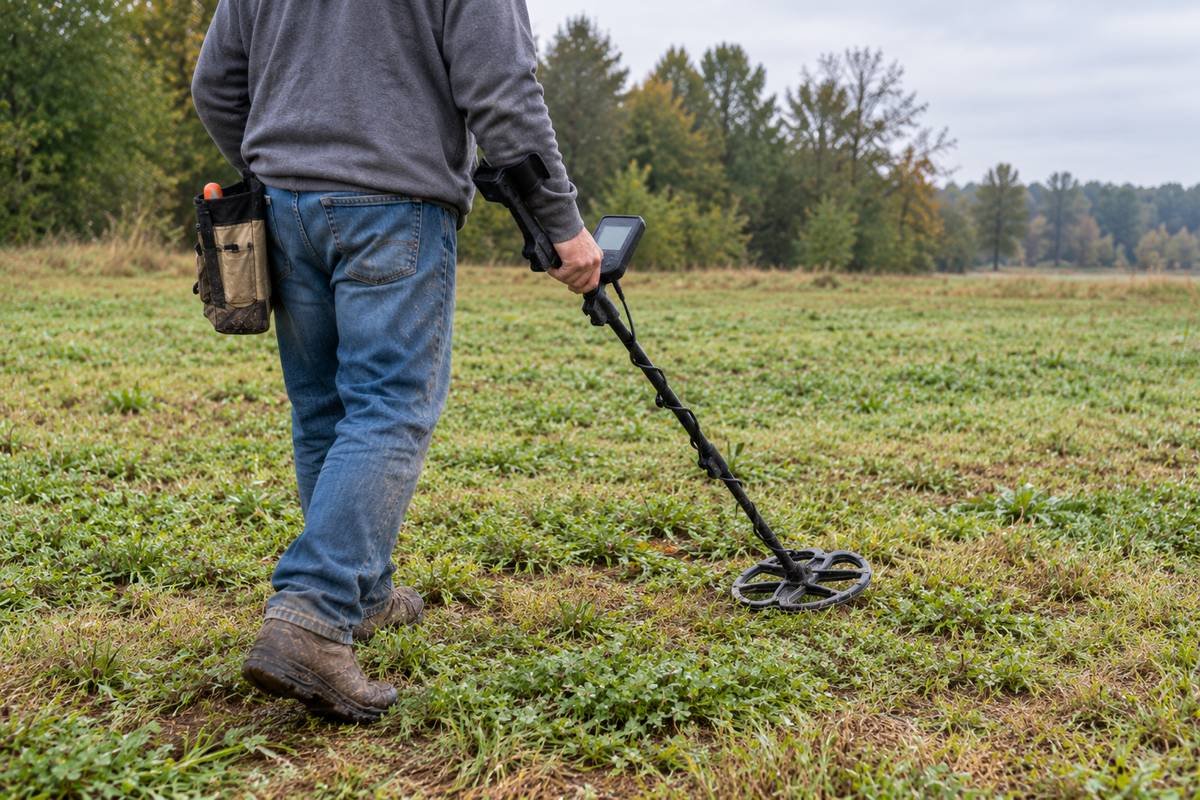
Realistic metal detector prices run from about $35 for a toy to well over $1,500 for specialist saltwater gear, but the useful range for almost everyone starting out sits between $150 and $800. Spend enough to get real target ID and discrimination, budget another $100 to $200 for the accessories you use every trip, and upgrade later once you know what you're hunting for.